What Is the Glycemic Index? A Simple Guide for Indian Families
Understanding GI is the first step to smarter eating. Here’s everything you need to know — explained simply, backed by science.
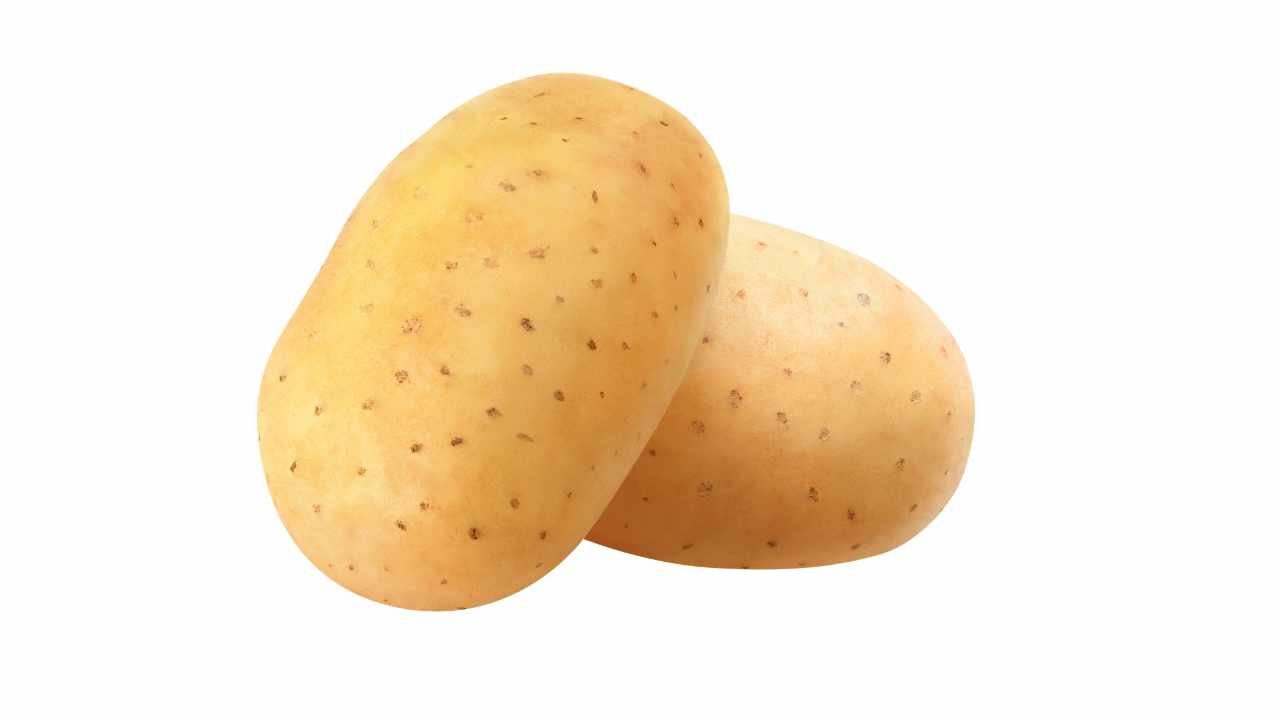
If you or someone in your family has been diagnosed with diabetes or prediabetes, you’ve probably heard the term “glycemic index” from a doctor, dietitian, or nutrition label. But what does it actually mean? And more importantly — how can understanding this one number help you make better food choices every single day?
This guide breaks it down in plain, simple language — no medical jargon, just practical knowledge that every Indian family can use.
What Is the Glycemic Index?
The glycemic index (GI) is a scale from 0 to 100 that ranks carbohydrate-containing foods based on how quickly they raise your blood glucose (blood sugar) levels after you eat them. Pure glucose — the fastest-acting sugar — is assigned a value of 100 and used as the reference point.
In simple terms: the higher a food’s GI number, the faster it spikes your blood sugar. The lower the number, the more gradually your blood sugar rises.
The GI doesn’t apply to foods that contain no carbohydrates (like pure oils, meats, or fish), since those don’t directly raise blood glucose levels.
Think of GI as a speed rating for carbohydrates. A high GI food is like a car accelerating from 0 to 100 in seconds — it hits your bloodstream fast and hard. A low GI food is like a steady cruise — it delivers energy gradually, keeping your blood sugar stable.
Where Did the Concept Come From?
The glycemic index was first introduced in 1981 by Dr. David Jenkins and his team at the University of Toronto, Canada. Their landmark paper, published in The American Journal of Clinical Nutrition, proposed GI as a physiological basis for classifying carbohydrates — moving beyond the outdated “simple vs. complex carbohydrate” model that had been used for decades.
Source: Jenkins DJ, et al. “Glycemic index of foods: a physiological basis for carbohydrate exchange.” The American Journal of Clinical Nutrition, 1981; 34(3): 362–366 — PubMedSince then, the concept has been adopted worldwide. In 2010, the International Organization for Standardization published ISO 26642:2010 — the definitive international standard for how GI should be measured and how foods should be classified. This standard was developed in collaboration with the Food and Agriculture Organization (FAO) and the World Health Organization (WHO).
Source: ISO 26642:2010 — Food products: Determination of the glycaemic index (GI) and recommendation for food classificationHow Is the Glycemic Index Measured?
GI testing follows a rigorous scientific protocol defined by ISO 26642:2010. Here’s how it works:
A group of at least 10 healthy volunteers fast overnight for 12 hours. On the test day, each volunteer eats a portion of the test food containing 50 grams of available (digestible) carbohydrate. Their blood glucose is then measured at regular intervals — typically at 15, 30, 45, 60, 90, and 120 minutes — to create a blood glucose response curve.
On separate days, the same volunteers consume pure glucose (the reference food) under identical conditions. The area under the blood glucose curve for the test food is compared to the area under the curve for glucose, and the result is expressed as a percentage. That percentage is the food’s glycemic index.
Source: ISO 26642:2010 — Full methodology specificationGI is not a guess or an estimate. It’s a clinically measured value derived from real human testing under controlled conditions, following an international scientific standard. When a food carries a certified GI value, you can trust it.
The Three GI Categories
According to ISO 26642:2010, all carbohydrate-containing foods are classified into three categories based on their GI value:
Low GI (55 or below) — These foods cause a slow, gentle rise in blood sugar. They are digested and absorbed gradually, providing sustained energy without sharp spikes. This is the category recommended for diabetics, people with prediabetes, and anyone seeking stable energy levels.
Medium GI (56–69) — These foods produce a moderate blood sugar response. They are acceptable in moderation for most people.
High GI (70 or above) — These foods are rapidly digested and absorbed, causing fast, dramatic spikes in blood glucose followed by a crash. Regular consumption of high GI foods is associated with increased risk of type 2 diabetes, obesity, and cardiovascular disease.
Source: GI classification per ISO 26642:2010 and the University of Sydney Glycemic Index Research Service (GIRS)Not all carbohydrates are equal. The glycemic index gives you the power to choose the ones that work with your body — not against it.
Why Does the Glycemic Index Matter for Your Health?
The evidence is clear and substantial. A major meta-analysis published in 2019, covering 54 randomized controlled trials, found that low GI diets were effective at reducing glycated hemoglobin (HbA1c), fasting glucose, BMI, total cholesterol, and LDL cholesterol in people with type 1 or type 2 diabetes.
Source: Zafar MI, et al. “Low-glycemic index diets as an intervention for diabetes: a systematic review and meta-analysis.” The American Journal of Clinical Nutrition, 2019; 110(4): 891–902 — PubMedAn earlier landmark meta-analysis by Prof. Jennie Brand-Miller at the University of Sydney, analysing 14 randomized controlled trials, concluded that choosing low GI foods has a clinically useful effect on medium-term glycemic control in patients with diabetes — comparable to the benefit offered by some diabetes medications.
Source: Brand-Miller J, et al. “Low-glycemic index diets in the management of diabetes: a meta-analysis.” Diabetes Care, 2003; 26(8): 2261–2267 — PubMedA systematic review and dose-response meta-analysis from the University of Leeds, published in Diabetes Care, also found that diets with high GI and high glycemic load are associated with significantly increased risk of developing type 2 diabetes.
Source: Greenwood DC, et al. “Glycemic index, glycemic load, carbohydrates, and type 2 diabetes.” Diabetes Care, 2013; 36(12): 4166–4171 — PubMedIn practical terms, this means that simply choosing low GI versions of the foods you already eat — switching from regular rice to basmati, from white bread to whole grain, from standard potatoes to Carisma — can meaningfully improve your blood sugar control, cholesterol levels, and overall health.
Glycemic Index vs. Glycemic Load — What’s the Difference?
You may also hear about glycemic load (GL), which is a related but different measure. Here’s the distinction:
Glycemic Index (GI) measures the quality of carbohydrates — how quickly a food raises blood sugar, gram for gram. It tells you about the type of carbohydrate.
Glycemic Load (GL) takes into account both the GI and the actual quantity of carbohydrate in a typical serving. It’s calculated as: GL = (GI × grams of carbohydrate per serving) ÷ 100. GL values are classified as low (10 or below), medium (11–19), or high (20 or above).
Source: GL classification and formula per Linus Pauling Institute, Oregon State University — Glycemic Index and Glycemic LoadFor example, watermelon has a high GI (around 76), but because a typical serving contains relatively little carbohydrate, its GL is low (around 5). This means that while watermelon is rapidly absorbed, a normal portion won’t dramatically spike your blood sugar.
GI tells you the speed. GL tells you the full impact. For day-to-day food choices, starting with GI is the simplest and most practical approach — choose low GI foods whenever possible. GL becomes more useful when you’re fine-tuning portion sizes or planning complete meals.
Common Indian Foods and Their GI Values
Here’s a practical reference table for foods commonly found in Indian kitchens:
| Food | Glycemic Index | Classification |
|---|---|---|
| Glucose | 100 | Reference |
| White Rice (polished) | 73–89 | High GI |
| White Bread / Pav | 70–75 | High GI |
| Regular Potato (boiled) | 78–90 | High GI |
| Whole Wheat Roti | 62–72 | Medium GI |
| Basmati Rice | 52–58 | Low GI |
| ✦ Carisma Potato (boiled) | 53–55 | Low GI ✓ |
| Whole Oats / Dalia | 50–55 | Low GI |
| Chana Dal | 8–11 | Low GI |
| Moong Dal | 25–31 | Low GI |
| Rajma (Kidney Beans) | 24–29 | Low GI |
| Curd / Yogurt | 14–23 | Low GI |
| Apple | 36–40 | Low GI |
Notice something remarkable in that table? Carisma potatoes have a GI of just 53–55 — comparable to basmati rice and whole oats. This makes them the only potato variety in India that diabetics can confidently include in their meals.
Frequently Asked Questions
What is the glycemic index in simple terms?
The glycemic index is a number from 0 to 100 that tells you how fast a carbohydrate-containing food raises your blood sugar. Low GI (55 or below) means slow and steady. High GI (70+) means fast and sharp. It was developed by Dr. David Jenkins at the University of Toronto in 1981.
Why is GI important for diabetics?
Multiple peer-reviewed meta-analyses have shown that low GI diets significantly reduce HbA1c, fasting glucose, total cholesterol, and LDL in people with diabetes. Choosing low GI foods helps prevent the blood sugar spikes and crashes that make diabetes management so difficult.
Is GI the same as sugar content?
No. GI measures how quickly a food raises blood sugar — not how much sugar the food contains. A food can be low in sugar but high in rapidly digestible starch (like regular potatoes), giving it a high GI. Conversely, some fruits contain natural sugars but have a low GI because they’re absorbed slowly.
Which Indian foods are low GI?
Common low GI Indian foods include most dals and legumes (chana, moong, rajma), basmati rice, whole oats, dalia, curd, most fresh fruits, and Carisma potatoes (GI 53–55) — India’s only certified low GI potato.
What is the difference between GI and GL?
GI measures carbohydrate quality — how fast a food raises blood sugar. GL accounts for both quality and quantity (GI × carbs per serving ÷ 100). GI is simpler for everyday food choices; GL is useful for fine-tuning portion sizes.
Does cooking change a food’s GI?
Yes. Cooking method, duration, and temperature all affect GI. For potatoes, boiling produces a lower GI than baking or frying. Cooking and then cooling starchy foods increases resistant starch, which further lowers GI.
Where can I check a food’s GI value?
The University of Sydney maintains the world’s most comprehensive GI database at glycemicindex.com, with over 4,000 foods tested according to ISO 26642:2010 methodology. The International Tables of Glycemic Index Values (2021 edition) are published in The American Journal of Clinical Nutrition.
Looking for India’s Only Certified Low GI Potato?
Carisma potatoes have a certified GI of just 53–55 — tested, verified, and perfect for diabetic-friendly cooking.
Enquire About Carisma Potatoes →Medical Disclaimer: This article is for informational purposes only and does not constitute medical advice. Always consult your physician, endocrinologist, or certified diabetes educator before making changes to your diet. Individual blood sugar responses may vary.