Why Low GI Potatoes Are Recommended During Pregnancy
Gestational diabetes affects 1 in 5 Indian pregnancies. Here’s why doctors recommend low GI foods — and how Carisma potatoes can help.
Pregnancy changes everything — including how your body processes food. For many women, especially in India, pregnancy brings an unwelcome diagnosis: gestational diabetes mellitus (GDM). Managing blood sugar becomes critical — not just for the mother, but for the developing baby. And one of the most effective tools available is also one of the simplest: choosing low glycemic index foods.
What Is Gestational Diabetes?
Gestational diabetes is a form of diabetes that develops during pregnancy in women who did not have diabetes before. It occurs when the body cannot produce enough insulin to meet the extra demands of pregnancy, leading to elevated blood glucose levels. In India, GDM prevalence is alarmingly high — studies estimate it affects approximately 10–20% of all pregnancies, with some regions reporting even higher rates.
Left unmanaged, GDM increases the risk of complications for both mother and baby, including excessive birth weight (macrosomia), premature birth, caesarean delivery, and the mother’s long-term risk of developing type 2 diabetes later in life.
Why the Glycemic Index Matters During Pregnancy
Dietary management is the cornerstone of GDM treatment. The type of carbohydrate a pregnant woman eats directly impacts her blood sugar levels — and by extension, the glucose supply reaching the baby through the placenta.
A comprehensive narrative review published in Nutrients concluded that the low GI diet — characterized by intake of high-quality, complex carbohydrates — demonstrated lower insulin use and reduced risk of macrosomia (excessively large birth weight) in multiple reviews of gestational diabetes studies.
Source: Yamamoto JM, et al. “Evidenced-Based Nutrition for Gestational Diabetes Mellitus.” Current Diabetes Reports, 2019; 19(10): 94 — PubMedA further review in Nutrients examining the role of GI in gestational diabetes found that diets rich in high GI and glycemic load may induce or worsen insulin resistance, whereas low GI diets appear to enhance insulin sensitivity and improve glycemic control during pregnancy.
Source: Koutelidakis AE, et al. “The Role of the Glycemic Index and Glycemic Load in the Dietary Approach of Gestational Diabetes Mellitus.” Nutrients, 2024; 16(3): 399 — PubMedLow GI Diets Can Halve Insulin Use in GDM
One of the most striking findings in GDM research comes from a landmark randomized trial by Moses et al., published in Diabetes Care. The study found that a low GI diet effectively halved the number of women with GDM who needed insulin treatment — with no compromise of obstetric or fetal outcomes.
Source: Moses RG, et al. “Can a low-glycemic index diet reduce the need for insulin in gestational diabetes mellitus? A randomized trial.” Diabetes Care, 2009; 32(6): 996–1000 — PubMedIn a randomized controlled trial, a low GI diet halved the number of GDM patients needing insulin — with no adverse effects on the mother or baby. This means that for many women, choosing the right carbohydrates could be the difference between managing GDM through diet alone versus requiring insulin injections.
Source: Moses RG, et al., Diabetes Care, 2009 — PubMedA meta-analysis of 9 RCTs involving 3,416 pregnant women found that low GI diet advice significantly reduced gestational weight gain and the risk of premature birth in women at elevated risk of GDM.
Source: Li X, et al. “Effect of low-glycemic index diet advice on pregnant outcomes in women with elevated risk of gestational diabetes mellitus.” Clinical Nutrition, 2023; 42(11): 2046–2055 — PubMedBenefits for the Baby
A meta-analysis of 27 RCTs involving 1,923 women with GDM found that low GI diets specifically reduced the incidence of macrosomia (excessively large babies) and lowered fasting plasma glucose levels — both of which are directly linked to safer deliveries and healthier outcomes for the newborn.
Source: Yu J, et al. “Effects of different dietary patterns during pregnancy on birth outcomes and glucose parameters in women with gestational diabetes mellitus.” Nutrients, 2023; 15(9): 2045 — PubMedResearch from the University of Sydney’s GI Baby study also found that in women at risk of GDM, a low GI diet influenced offspring birth weight, birth length, and even arterial wall thickness in early childhood — suggesting that the benefits of maternal low GI eating may extend well beyond pregnancy.
Source: Kizirian NV, et al. “Effects of a low-glycemic index diet during pregnancy on offspring growth, body composition, and vascular health.” The American Journal of Clinical Nutrition, 2016; 104(5): 1306–1313 — PubMedWhat a mother eats during pregnancy doesn’t just affect her — it shapes her baby’s health from the very beginning.
Where Carisma Potatoes Fit In
Potatoes are a staple in Indian cooking — but regular potatoes have a GI of 78–90+, making them one of the highest glycemic foods in a typical Indian meal. For a pregnant woman managing GDM, this poses a real problem: give up potatoes entirely, or risk blood sugar spikes?
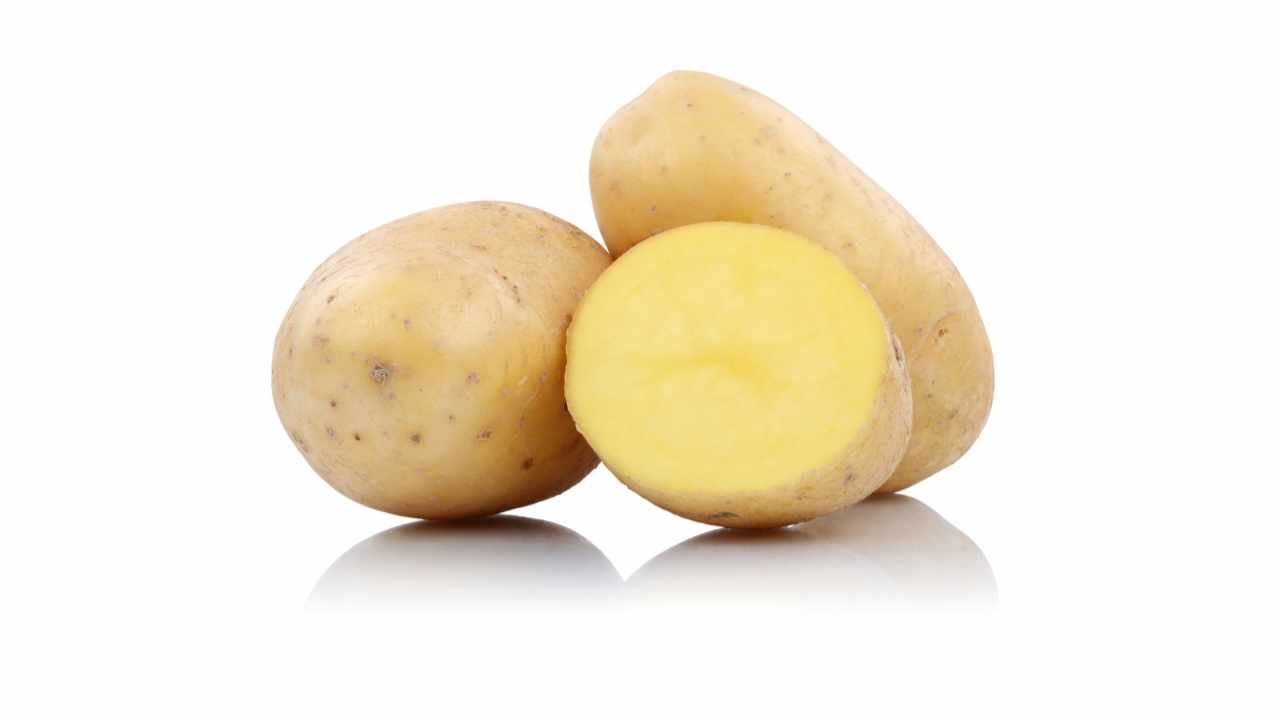
Carisma offers a third option. With a certified GI of 53–55, Carisma is classified as a low GI food — comparable to basmati rice and whole oats. This means pregnant women can include potatoes in their diet without the dramatic glucose spikes that regular potatoes cause.
Source: Ek KL, et al. “Discovery of a low-glycaemic index potato and relationship with starch digestion in vitro.” British Journal of Nutrition, 2014; 111(4): 699–705 — PubMedAdditionally, Carisma is naturally bred and non-GMO — an important consideration for expectant mothers who are mindful about food safety and quality during pregnancy.
Practical Tips for Pregnant Women
Boil, don’t fry. Boiling keeps the GI lowest. Cook Carisma potatoes with the skin on for about 9 minutes until al dente — the same cooking method used in the clinical trials that established its low GI value.
Pair with protein and vegetables. Combining potatoes with dal, curd, paneer, or a vegetable sabzi further slows glucose absorption and creates a balanced, nutritious meal.
Cool before eating when possible. Cooking and cooling potatoes increases resistant starch, which lowers the glycemic response even further. Cold preparations like potato raita are ideal.
Watch portion sizes. Even low GI foods contribute carbohydrates. Work with your doctor or dietitian to determine appropriate serving sizes for your individual GDM management plan.
Always consult your doctor. Every pregnancy is different. While the evidence for low GI diets in GDM is strong, your obstetrician or endocrinologist should guide your specific dietary plan.
If you have gestational diabetes or are at risk, a low GI diet is one of the most evidence-backed dietary strategies available. Carisma potatoes — with a certified GI of 53–55 — allow you to keep potatoes in your pregnancy diet without compromising blood sugar control. Always work with your healthcare provider to build a meal plan that’s right for you.
A Smarter Potato for Expecting Mothers
Carisma — India’s only certified low GI potato. Naturally bred, non-GMO, and perfect for pregnancy nutrition.
Enquire About Carisma Potatoes →Medical Disclaimer: This article is for informational purposes only and does not constitute medical advice. Always consult your obstetrician, endocrinologist, or certified diabetes educator before making any dietary changes during pregnancy. Individual responses may vary. Carisma potatoes should be consumed as part of a balanced diet under medical supervision.