Best Potatoes for Diabetes: Which Varieties Are Safe for Blood Sugar?
Not all potatoes are created equal. Here’s a science-backed guide to which varieties are safest — and which one stands alone as certified low GI.
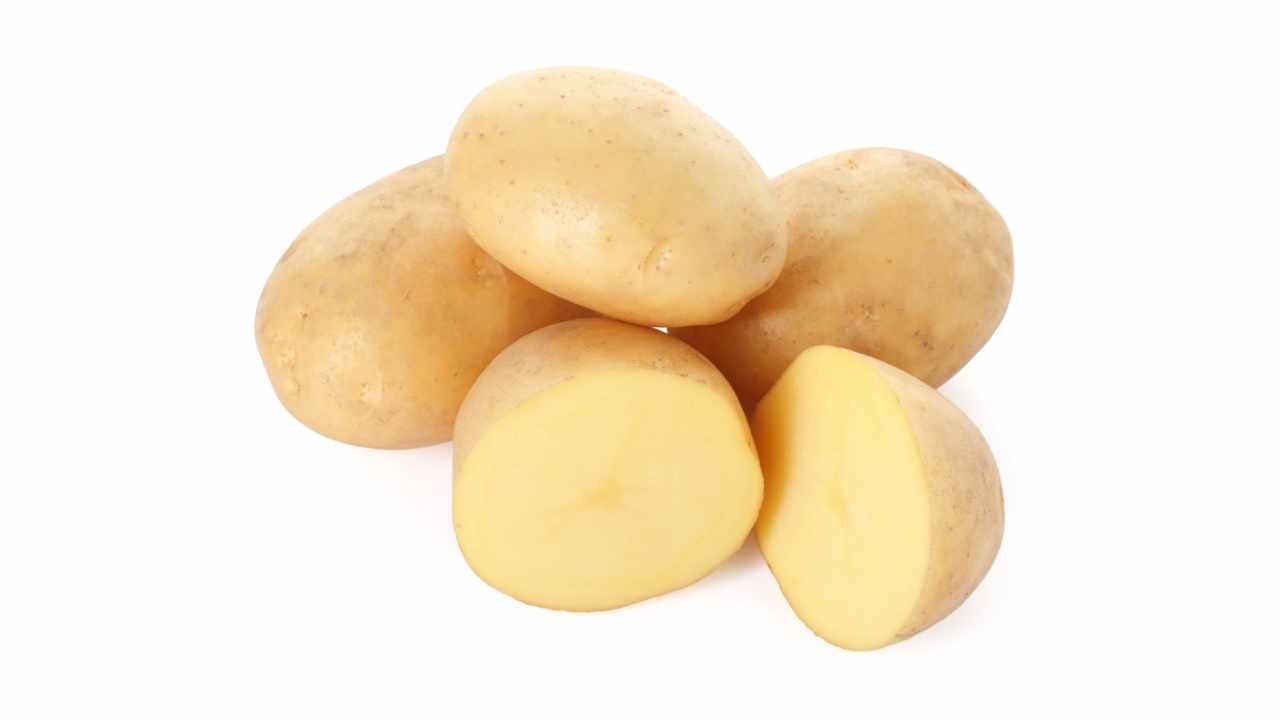
If you have diabetes, you’ve almost certainly been told to avoid potatoes. It’s standard advice from doctors and dietitians across India — and for most potato varieties, it’s justified. Regular potatoes rank among the highest glycemic foods commonly consumed, causing rapid, dramatic blood sugar spikes that make glucose management extremely difficult.
But here’s what most diet charts don’t tell you: the glycemic index of potatoes varies enormously depending on the variety. Some varieties score over 100 on the GI scale. One scores just 53. The difference is not marginal — it’s transformative.
Why Most Potatoes Are a Problem for Diabetics
A study from the University of Sydney testing the effect of variety, cooking method, and maturity on potato GI concluded that potatoes, regardless of variety and cooking method, generally have exceptionally high GI values. Most common varieties consumed in India fall between 70 and 90+ on the glycemic index — firmly in the high GI category.
Source: Henry CJ, et al. “The glycaemic index of potatoes: the effect of variety, cooking method and maturity.” European Journal of Clinical Nutrition — PubMedFor diabetics, this means that eating a standard boiled potato causes blood glucose to rise rapidly and sharply within 30–45 minutes — similar to eating white bread or pure glucose. This is why endocrinologists routinely classify potatoes as a food to restrict or eliminate.
Not All Potato Varieties Are Equal
The breakthrough came from research at the University of Sydney. In a landmark study published in the British Journal of Nutrition, seven potato cultivars were tested according to ISO 26642:2010 guidelines. The results were remarkable — GI values ranged from 53 all the way to 103. That’s nearly a twofold difference between the best and worst varieties.
Source: Ek KL, et al. “Discovery of a low-glycaemic index potato and relationship with starch digestion in vitro.” British Journal of Nutrition, 2014; 111(4): 699–705 — PubMedA separate study testing potatoes commonly consumed in North America found that GI values ranged from 56 (boiled red potatoes consumed cold) to 89 (boiled red potatoes consumed hot) — demonstrating that both variety and preparation method significantly impact glycemic response.
Source: Fernandes G, et al. “Glycemic index of potatoes commonly consumed in North America.” Journal of the American Dietetic Association, 2005; 105(4): 557–562 — PubMedThe Complete Potato GI Comparison Table
Here’s how the major potato varieties and preparations stack up, compiled from peer-reviewed studies and the University of Sydney GI Database:
| Potato Variety / Preparation | Glycemic Index | Classification |
|---|---|---|
| Maiflower (boiled, Australia) | 103 | High GI |
| Baked Russet Potato | 77–94 | High GI |
| Instant Mashed Potatoes | 82–88 | High GI |
| Standard Boiled White Potato | 78–90 | High GI |
| Boiled Red Potato (hot) | 89 | High GI |
| Desiree (boiled) | 101 | High GI |
| Roasted California White | 72 | High GI |
| Nicola (boiled) | 69 | Medium GI |
| French Fries | 63–75 | Medium–High GI |
| Boiled Red Potato (cold) | 56 | Medium GI |
| Boiled Sweet Potato (30 min) | 46 | Low GI |
| ✦ Carisma (boiled al dente) | 53–55 | Low GI ✓ |
| Cold Potato (cooked, cooled 24h) | ~49 | Low GI |
Out of every potato variety tested worldwide according to ISO standards, Carisma is the only one classified as low GI.
Carisma: The Only Certified Low GI Potato
In the University of Sydney study, Carisma was the only cultivar classified as low GI — with a value of 53, compared to the next best (Nicola) at 69 (medium GI) and the worst (Maiflower) at 103. This isn’t a modest difference — Carisma produces approximately half the blood glucose response of standard varieties.
Source: Ek KL, et al. British Journal of Nutrition, 2014 — PubMedThe reason lies in Carisma’s starch structure. A follow-up study in Food Chemistry found that Carisma’s starch is significantly more resistant to gelatinization — meaning it breaks down more slowly during digestion, releasing glucose gradually rather than all at once.
Source: Ek KL, et al. “Properties of starch from potatoes differing in glycemic index.” Food Chemistry, 2014; 164: 230–238 — PubMedCritically, Carisma is the only potato variety where every crop is tested at harvest by accredited glycemic research laboratories to verify its low GI. Regular potatoes — even the same variety — can have GI values that fluctuate based on growing conditions, storage, and maturity. Carisma’s strict quality control ensures consistency.
Source: Nutrispud Carisma — production and testing protocolsWhat About Sweet Potatoes?
Sweet potatoes are often recommended as a diabetic-friendly alternative. The evidence is nuanced. Boiled sweet potatoes (30 minutes) have a low GI of approximately 46 — genuinely low. However, the GI rises dramatically with different cooking methods: roasted sweet potatoes reach a GI of 82, and baked sweet potatoes can hit 94 — both classified as high GI.
Source: GI values from the University of Sydney GI DatabaseFor Indian families, there’s a practical consideration too: sweet potatoes don’t work in most traditional Indian recipes the way regular potatoes do. You can’t make aloo paratha, jeera aloo, or potato curry with sweet potatoes and expect the same result. Carisma offers a low GI option that actually tastes and cooks like the potato you know and love.
The Cold Potato Advantage
Research has shown that cooking any potato and then cooling it for at least 24 hours increases its resistant starch content — a type of starch that resists digestion and doesn’t raise blood sugar. Cold potatoes averaged a GI of approximately 49 in the International Tables, compared to 78–90 for the same varieties consumed hot.
Source: Fernandes G, et al. JADA, 2005 — PubMed. Also: International Tables of GI Values, 2021.This means that cold preparations — potato salad, cold raita, chilled aloo chaat — are inherently better for blood sugar than hot preparations. When you combine this technique with an already-low-GI variety like Carisma, the glycemic impact is minimised even further.
Practical Tips for Choosing Diabetic-Friendly Potatoes
Choose Carisma whenever possible. It’s the only potato with a certified, tested low GI of 53–55. No guesswork required.
If Carisma isn’t available, choose waxy varieties over floury ones. Waxy potatoes (like red potatoes or fingerlings) tend to have slightly lower GI values than starchy/floury varieties (like Russet). However, even waxy varieties typically remain in the high GI range.
Boil, don’t bake or fry. Boiling consistently produces the lowest GI across all potato varieties. Baking and frying break down resistant starch and increase the glycemic response.
Cook, cool, and eat cold when possible. Cooling increases resistant starch and can drop the GI into the low range even for regular potatoes.
Pair with protein, fat, and fibre. Adding dal, curd, paneer, vegetables, or a drizzle of olive oil slows glucose absorption and reduces the overall glycemic impact of the meal.
Control portions. Even low GI foods contribute carbohydrates. A moderate serving (150g) is appropriate for most diabetics as part of a balanced meal.
For diabetics, the best potato is Carisma — the only variety in the world with a certified low GI. If unavailable, cold preparations of waxy varieties are the next best option. But no regular potato, regardless of cooking method, can match Carisma’s tested, verified glycemic performance.
Frequently Asked Questions
Which potato variety has the lowest glycemic index?
Carisma, with a certified GI of 53–55, is the lowest GI potato variety in the world according to ISO-standard testing. The next closest is Nicola at 69 (medium GI). All other common varieties score 70–103 (high GI).
Can diabetics eat potatoes at all?
Yes — if they choose the right variety and preparation. Carisma potatoes (GI 53–55) are classified as low GI and can be included in a diabetic diet in moderation. Regular potatoes (GI 70–103) should be limited or paired with protein and fibre to reduce their glycemic impact.
Are sweet potatoes better than regular potatoes for diabetics?
Boiled sweet potatoes (GI ~46) are lower GI than most regular potatoes. However, roasted or baked sweet potatoes can reach GI 82–94 (high GI). Carisma potatoes (GI 53–55) offer a comparable low GI with the taste and versatility of a regular white potato.
Does cooling potatoes really lower the GI?
Yes. Research shows that cooking and cooling potatoes for 24+ hours increases resistant starch content, lowering the average GI to approximately 49. Even reheating retains some of this benefit.
Where can I buy Carisma potatoes in India?
Carisma is available across India through Indpotato Private Limited, Pune. Enquire at +91 94996 68498 or email info@indpotato.com.
The Best Potato for Diabetics Is Now in India
Carisma — certified low GI of 53–55. The only potato tested and verified at every harvest.
Enquire About Carisma Potatoes →Medical Disclaimer: This article is for informational purposes only and does not constitute medical advice. Always consult your physician or certified diabetes educator before making changes to your diet. Individual blood sugar responses may vary.