Carisma vs Regular Potatoes: Glycemic Index, Nutrition & Taste Compared
A detailed side-by-side comparison — GI values, carbohydrate content, protein, vitamins, and flavour profile. The numbers speak for themselves.
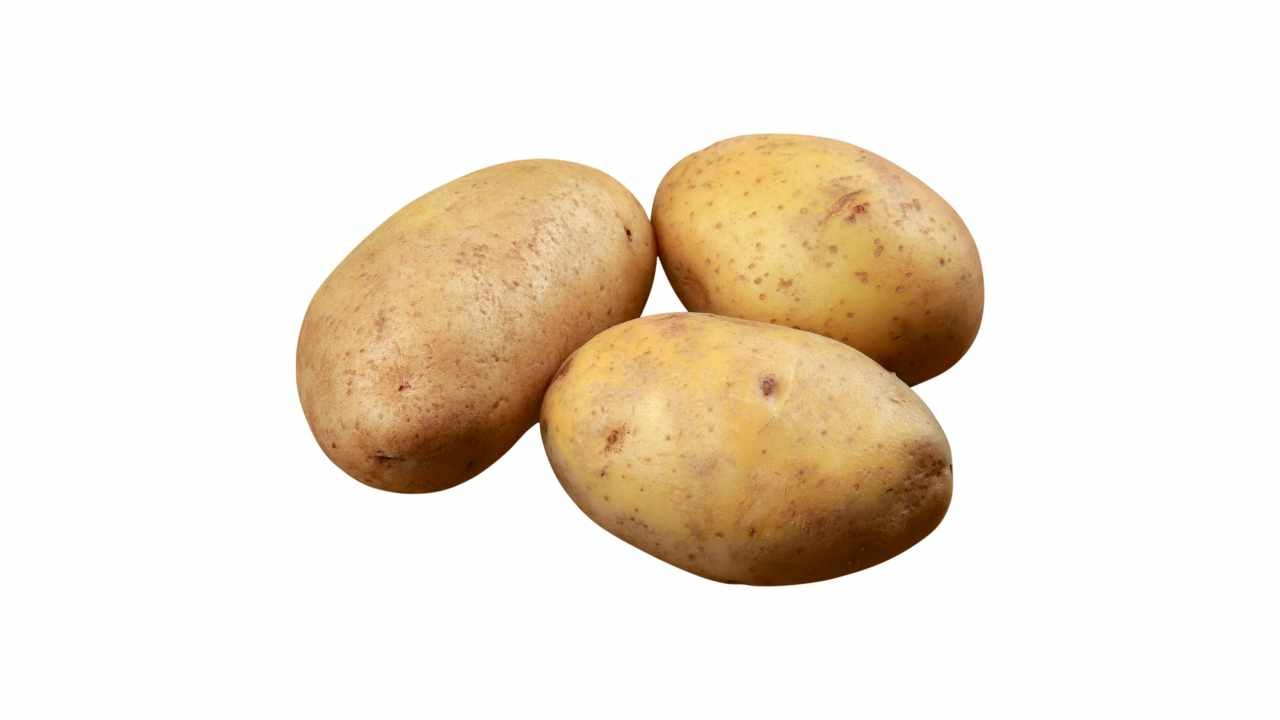
When someone tells you to “eat more potatoes” or “avoid potatoes completely,” they’re missing the most important point: which potato? The difference between Carisma and a standard potato isn’t just about taste — it’s a fundamentally different experience for your blood sugar, your energy levels, and your long-term health.
Let’s put the two side by side and let the science do the talking.
The Glycemic Index: Where It All Starts
This is the single biggest difference between Carisma and regular potatoes — and the reason Carisma exists in the first place.
In a peer-reviewed study published in the British Journal of Nutrition, seven potato cultivars were tested according to ISO 26642:2010 guidelines. The GI values ranged from 53 to 103. Carisma was the only cultivar classified as low GI, with a value of 53. Standard varieties scored 70 to 103 — firmly in the high GI range.
Source: Ek KL, et al. “Discovery of a low-glycaemic index potato and relationship with starch digestion in vitro.” British Journal of Nutrition, 2014; 111(4): 699–705 — PubMed| Parameter | Carisma Potato | Regular Potato |
|---|---|---|
| Glycemic Index (boiled) | 53–55 | 78–90+ |
| GI Classification | Low GI ✓ | High GI |
| Calories (per 150g) | ~70 kcal | ~93 kcal |
| Carbohydrates (per 150g) | ~15g | ~21g |
| Digestible Carbohydrates | ~30% fewer | Standard |
| Fibre (per 150g) | ~3g | ~2.2g |
| Protein (per 150g) | ~3g | ~2.5g |
| Vitamin C (% daily value) | ~20% | ~15% |
| Potassium | Good source | Good source |
| GMO Status | Non-GMO ✓ | Varies |
| Certified GI Testing | Yes — every crop ✓ | No |
What the GI Difference Means in Practice
A GI of 53–55 versus 78–90 might sound like an abstract number. Here’s what it means in your body:
When you eat a regular boiled potato (GI ~80), your blood glucose rises rapidly and sharply — reaching a high peak within 30–45 minutes, then crashing below baseline. This is the spike-and-crash pattern that leads to hunger, cravings, fatigue, and difficulty managing diabetes.
When you eat a Carisma potato (GI ~53), the glucose release is slower and more gradual. The peak is lower, the curve is flatter, and there’s no dramatic crash. Research from the University of Sydney confirmed that Carisma produces approximately half the blood glucose response of standard varieties.
Source: Glycemic Index Foundation — Ek KL presentation, International Congress of Nutrition, 2013Same vegetable. Same serving size. Same cooking method. But a fundamentally different impact on your blood sugar.
The Starch Science: Why Carisma Is Different
The difference in GI comes down to the starch inside the potato. A study published in Food Chemistry analysed the starch properties of seven potato cultivars and found that Carisma’s starch was significantly more resistant to gelatinization — with higher thermal stability and pasting temperatures than all other cultivars tested.
Source: Ek KL, et al. “Properties of starch from potatoes differing in glycemic index.” Food Chemistry, 2014; 164: 230–238 — PubMedIn practical terms, this means Carisma’s starch resists being broken down quickly by your digestive enzymes. It releases glucose gradually rather than all at once — which is exactly the mechanism that makes low GI foods beneficial for blood sugar management.
Taste and Texture
Carisma is a white-fleshed, pale yellow-skinned potato with a smooth, creamy texture and a subtle, slightly nutty flavour. It holds its shape well when boiled, making it excellent for salads, curries, and any preparation where you want the potato to maintain structure rather than falling apart.
Compared to regular Indian market potatoes, Carisma is less starchy and less floury in texture — closer to a waxy potato. It performs well across all cooking methods: boiling, roasting, sautéing, mashing, and in traditional Indian dishes like jeera aloo, aloo paratha, and potato raita.
Quality Control: The Carisma Difference
Regular potatoes have no glycemic testing or certification. The GI of a random potato from the market is unknown — and research shows it’s almost certainly in the high GI range.
Carisma potatoes, by contrast, are subject to strict quality control at every stage. Growing locations are carefully selected because environmental conditions affect GI. Seeds are sourced from Agrico in the Netherlands. And every crop is tested at harvest by accredited glycemic research laboratories to verify that it meets the low GI standard.
Source: Nutrispud Carisma — “Why Is Carisma Unique?” (production protocols developed with University of Sydney GIRS and University of Toronto GI Labs)Carisma isn’t just a “healthier potato” — it’s a certified, tested, scientifically validated low GI food. Regular potatoes offer no such guarantee. For diabetics, prediabetics, weight-conscious individuals, or anyone who cares about blood sugar management, the choice is clear: Carisma delivers the same potato satisfaction with up to 45% less glycemic impact.
Make the Switch to Carisma
India’s only certified low GI potato. Same great taste, dramatically better for your blood sugar.
Enquire About Carisma Potatoes →Medical Disclaimer: This article is for informational purposes only and does not constitute medical advice. Always consult your physician or certified diabetes educator before making changes to your diet. Individual responses may vary.