Non-GMO Potatoes in India: Why Natural Breeding Matters
No genetic modification. No lab shortcuts. Just careful, traditional plant breeding to achieve something remarkable — a naturally low GI potato.
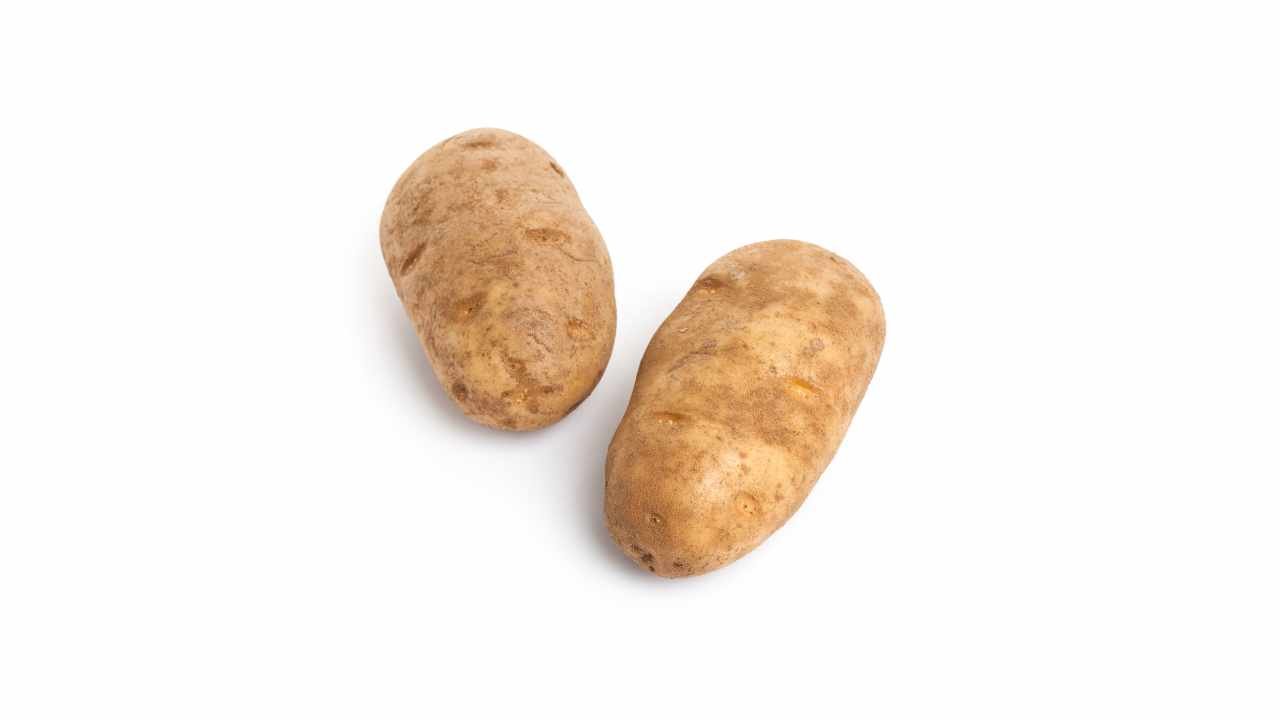
In a world where genetic modification is increasingly common in agriculture, many Indian consumers are asking important questions about the food they eat. Where does it come from? How was it developed? Has it been genetically engineered? For potatoes — a daily staple in most Indian households — these questions matter.
Carisma potatoes offer a clear, simple answer: no genetic modification whatsoever. Here’s the full story of how a naturally low GI potato was created through traditional breeding — and why that matters for your family.
GMO vs. Conventional Breeding — What’s the Difference?
Genetic modification (GMO) involves using laboratory techniques to insert DNA from one organism into another — often across species boundaries. In potatoes, GMO technology has been used to introduce genes from bacteria or other species to achieve traits like insect resistance or reduced browning. The resulting plants contain genetic material that would never occur naturally.
A comprehensive review in Frontiers in Plant Science notes that genetic engineering introduces genes of interest into plant genomes, but this approach is commonly associated with concerns from society and regulatory authorities about the presence of foreign transgenes.
Source: González MN, et al. “State of the Art of Genetic Engineering in Potato.” Frontiers in Plant Science, 2022 — PubMedConventional breeding, by contrast, works within nature’s boundaries. Breeders cross different potato varieties — each with their own natural characteristics — and select offspring that exhibit the desired combination of traits. No foreign DNA is introduced. No genes are artificially inserted. The resulting plant contains only genetic material that could theoretically occur through natural reproduction.
Conventional potato breeding has been the primary method of potato improvement for over a century, contributing significantly to the development of thousands of potato varieties grown worldwide today.
Source: Tiwari JK, et al. “Germplasm, Breeding, and Genomics in Potato Improvement.” Frontiers in Plant Science, 2022 — PubMed| Aspect | GMO Potatoes | Carisma (Non-GMO) |
|---|---|---|
| Method | Genetic engineering — DNA from other organisms inserted in a lab | Conventional plant crossing — natural breeding between potato varieties |
| Foreign DNA | Yes — contains genes from bacteria or other species | No — only naturally occurring potato genetics |
| Regulatory Status | Requires GEAC approval in India | No GMO regulatory clearance needed |
| Consumer Perception | Significant concerns among Indian consumers | Widely accepted — same as any traditional variety |
| Low GI Trait | Could theoretically be engineered, but not commercially available | Achieved naturally through starch composition selection |
| Breeding Company | Various biotech companies | Agrico, Netherlands — est. 1973, farmer-owned cooperative |
How Conventional Potato Breeding Works
Potato breeding is a long, meticulous process. It typically takes 10–15 years to develop a new variety from initial crossing to commercial release. The process works as follows:
Crossing: Breeders select two parent potato varieties, each carrying desirable traits (such as disease resistance, flavour, texture, yield, or — in Carisma’s case — lower glycemic impact). These parents are cross-pollinated to produce seeds.
Selection: Thousands of seedlings are grown from these crosses. Each seedling is a genetically unique individual. Over multiple generations, breeders evaluate and select only those plants that exhibit the combination of traits they’re seeking — discarding the rest.
Testing: Selected candidates undergo years of field trials across different growing conditions, storage testing, cooking evaluations, nutritional analysis, and (for GI-focused varieties like Carisma) clinical glycemic testing in human subjects.
Release: Only after a variety consistently demonstrates its target traits across multiple years and locations is it released for commercial cultivation.
A review in Breeding Science confirms that while this process is time-consuming and resource-intensive, conventional breeding has been the foundation of potato improvement worldwide and continues to produce the vast majority of commercially grown varieties.
Source: Watanabe K. “Potato genetics, genomics, and applications.” Breeding Science, 2015; 65(1): 53–68 — PubMedCarisma’s low GI wasn’t engineered in a laboratory. It was discovered in nature and developed through patient, careful breeding over years of selection and testing.
How Carisma Was Developed — The Non-GMO Story
Carisma was bred by Agrico — a farmer-owned cooperative based in the Netherlands, established in 1973, and one of the world’s most respected potato breeding companies. Agrico specialises in conventional plant breeding, developing new varieties through traditional crossings of their extensive potato germplasm collection.
The low GI characteristics of Carisma were first identified and validated by researchers at the University of Sydney’s Glycemic Index Research Service (GIRS), led by Professor Jennie Brand-Miller, in collaboration with Dr. Kai Lin Ek. The landmark study, published in the British Journal of Nutrition, tested seven cultivars according to ISO 26642:2010 guidelines and found Carisma to be the only variety classified as low GI.
Source: Ek KL, et al. “Discovery of a low-glycaemic index potato and relationship with starch digestion in vitro.” British Journal of Nutrition, 2014; 111(4): 699–705 — PubMedA follow-up study in Food Chemistry revealed the scientific basis for Carisma’s low GI: its starch is naturally more thermally stable and more resistant to gelatinization than other varieties. This is an inherent property of Carisma’s natural starch composition — not something that was artificially inserted or modified.
Source: Ek KL, et al. “Properties of starch from potatoes differing in glycemic index.” Food Chemistry, 2014; 164: 230–238 — PubMedIn India, Carisma seeds are sourced directly from the Netherlands and cultivated under controlled conditions. The entire process — from seed to table — involves zero genetic modification at any stage.
Source: Glycemic Index Foundation — “The naturally low GI spud story”Why Non-GMO Matters to Indian Consumers
India has a long and thoughtful relationship with food safety and natural agriculture. Many Indian families prioritise knowing where their food comes from and how it was produced. The non-GMO status of Carisma addresses several important consumer concerns:
Transparency. With a conventionally bred variety, the breeding process is straightforward and well-understood. There are no foreign genes, no proprietary genetic constructs, and no questions about long-term safety of transgenic material.
Regulatory simplicity. Non-GMO crops do not require approval from India’s Genetic Engineering Appraisal Committee (GEAC). Carisma can be cultivated, distributed, and consumed without any of the regulatory complexities associated with GMO crops.
Cultural alignment. India’s agricultural heritage is built on traditional seed selection and natural farming practices. Carisma fits comfortably within this tradition — it’s a better potato achieved through better breeding, not through genetic engineering.
Environmental compatibility. Conventional breeding works within existing genetic diversity. It doesn’t introduce novel genetic material into the ecosystem, avoiding the ecological concerns sometimes raised about GMO crops.
Carisma potatoes are 100% non-GMO. They were developed through conventional plant crossings by Agrico (Netherlands), validated by the University of Sydney, and cultivated in India from Dutch-sourced seeds. No foreign DNA. No genetic engineering. No compromises. Just nature’s best, refined through patient, traditional breeding.
GMO Regulation in India
India regulates genetically modified organisms under the Environment Protection Act, 1986, through the Genetic Engineering Appraisal Committee (GEAC). Any GMO crop intended for commercial cultivation in India must undergo extensive biosafety testing and receive GEAC approval before it can be grown or sold.
Currently, Bt cotton is the only genetically modified crop approved for commercial cultivation in India. No GMO potato variety has been approved for commercial cultivation in the country. Carisma, being conventionally bred and entirely non-GMO, does not fall under GMO regulations and requires no such approval — it is treated the same as any other traditionally bred potato variety.
Beyond Non-GMO: Carisma’s Complete Quality Commitment
Non-GMO status is just one aspect of Carisma’s quality story. The complete commitment includes:
Certified low GI at every harvest. Unlike any other potato variety, every crop of Carisma is tested by accredited glycemic research laboratories to verify its GI value before reaching consumers.
Source: Nutrispud Carisma — testing and production protocolsControlled growing conditions. Environmental factors can impact a potato’s glycemic characteristics. Carisma growing locations are carefully selected, and strict protocols govern everything from planting to harvest to delivery.
Premium Dutch seed stock. Seeds are sourced from Agrico in the Netherlands — a country with some of the world’s most advanced agricultural expertise and strictest quality standards.
Field-to-fork traceability. Carisma’s supply chain is managed by Indpotato Private Limited in Pune, ensuring that every potato reaching Indian consumers meets the quality standards established by the breeding and research teams.
Frequently Asked Questions
Are Carisma potatoes genetically modified?
No. Carisma is 100% non-GMO. It was developed through conventional plant breeding by Agrico (Netherlands) — traditional crossings of naturally occurring potato varieties. No foreign DNA was introduced at any stage.
What is the difference between GMO and conventionally bred potatoes?
GMO potatoes have DNA from other organisms artificially inserted using genetic engineering. Conventionally bred potatoes like Carisma are developed by crossing different potato varieties and selecting offspring with desired traits — a natural process used for thousands of years.
Are GMO potatoes available in India?
No GMO potato variety has been approved for commercial cultivation in India. The only GMO crop approved in India is Bt cotton. Carisma, being non-GMO, requires no GEAC approval.
How was the low GI trait achieved without genetic modification?
Through conventional breeding — crossing potato varieties with naturally different starch compositions and selecting offspring with lower glycemic responses. Carisma’s low GI comes from its natural starch structure (higher thermal stability, greater resistance to gelatinization), confirmed by peer-reviewed research in Food Chemistry.
Who developed Carisma potatoes?
Carisma was bred by Agrico, a farmer-owned cooperative in the Netherlands established in 1973. Its low GI properties were discovered and validated by the University of Sydney’s Glycemic Index Research Service. In India, it is cultivated and distributed by Indpotato Private Limited, Pune.
Nature’s Best Potato — No Modification Needed
Carisma — non-GMO, certified low GI, naturally bred in the Netherlands, cultivated in India.
Enquire About Carisma Potatoes →Disclaimer: This article is for informational purposes only. While Carisma potatoes are non-GMO and certified low GI, they should be consumed as part of a balanced diet. Always consult your physician or certified nutritionist for personalised dietary advice.